When people visit a restaurant they watch how servers present food on tables. First impressions matter because customers form opinions within seconds of seeing their orders. Presentation quality affects how diners feel about the taste and value of foods. Good serving methods make customers want to return and recommend places to friends. Restaurant serving techniques create lasting memories that influence future dining choices and reviews.
What Makes a Food Presentation Catch Customer Attention Quickly?
Colors and arrangement of dishes draw eyes before any other restaurant element. Bright vegetables next to proteins create visual interest that makes mouths water instantly. Plating styles show care and attention that restaurants put into every order. Servers who handle plates carefully demonstrate respect for food and dining experience. Clean presentation without spills or smudges tells customers about kitchen standards immediately. Visual appeal starts conversations and creates photo opportunities for social media sharing. Restaurant serving techniques influence perceptions before first bites happen at any table.
How Do Serving Methods Affect Customer Satisfaction Levels?
Temperature control during service shows professionalism that customers recognize without thinking about it. Hot dishes arriving hot and cold items staying chilled indicate proper training. Speed of service between ordering and receiving affects hunger and patience levels. Servers who explain dishes briefly help customers understand what they ordered completely. Proper portioning demonstrates value and fairness in pricing across all menu items. Attention to detail in serving builds trust between restaurants and their guests. Restaurant serving techniques determine whether customers leave happy or disappointed with experiences.
Why Do First Impressions Last Longer Than Actual Taste?
Brains process visual information faster than taste buds can register flavors accurately. Customers decide if foods look good within three seconds of plate arrival. Disappointment from poor presentation affects how people perceive flavors during entire foods. Beautiful plating raises expectations that can enhance actual taste through psychological effects. Memories of dining experiences often focus on appearance more than specific tastes. Photos customers take show presentation quality rather than capturing actual flavors consumed. Restaurant serving techniques create mental images that last far beyond single visits.
What Role Does Speed Play In Customer Perception?
Waiting too long makes hunger turn into frustration that damages entire experiences. Quick service without rushing shows efficiency that customers appreciate and remember positively. Timing between courses allows digestion and conversation without feeling pressured or abandoned. Servers who anticipate needs arrive with refills before customers must ask repeatedly. Prompt clearing of finished plates keeps tables neat and shows attentiveness to comfort. Balanced pacing demonstrates respect for customer time and enhances overall enjoyment significantly. Restaurant serving techniques include timing decisions that shape how people rate their visits.
How Does Cleanliness During Service Impact Customer Trust?
Spotless plates and utensils signal proper sanitation practices throughout entire restaurant operations. Servers with clean uniforms and hands increase confidence in food safety standards. Crumbs or spills left on tables suggest carelessness that makes customers question other areas. Fresh linens and clean glassware show pride in maintaining high standards consistently. Visible cleanliness during service builds trust that encourages repeat visits and recommendations. The professional appearance of servers reflects overall commitment to quality in every detail. Standards maintained consistently across all shifts create reliable reputations that attract new customers.
Why Do Customers Compare Serving Styles Between Different Restaurants?
Previous dining experiences create baseline expectations that new restaurants must meet or exceed. Customers notice when servers use better techniques than competitors in the same price range. Unique presentation styles become signature elements that distinguish restaurants from crowded marketplace. Social media exposes diners to serving methods from restaurants they have never visited. Comparisons happen automatically as brains categorize experiences into good and bad categories. Superior serving creates competitive advantages that attract customers away from other nearby options. Many businesses in CA now focus on improving presentation to stand out.
What Training Makes Servers Better At Their Presentation Skills?
Practice with actual plates helps servers develop muscle memory for handling dishes correctly. Watching experienced staff demonstrates proper angles and positioning for optimal visual impact. Feedback from managers corrects mistakes before they become habits that affect customer experiences. Understanding menu items allows servers to describe dishes accurately and answer questions confidently. Regular training updates keep staff informed about new techniques and evolving standards. WaxPapersHub CA offers resources that help restaurants improve their service presentation methods. Ongoing education for all employees ensures consistency in quality across every shift.
How Can Small Details Change Overall Dining Experience Quality?
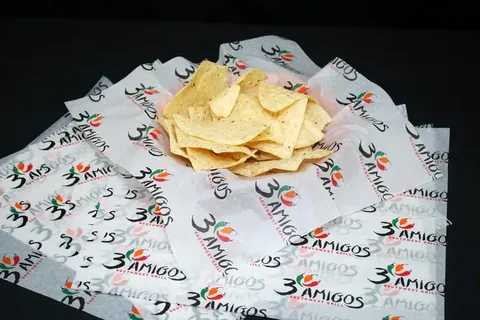
Garnish placement adds final touches that complete the visual composition of each dish served. Wiping plate edges removes drips that would otherwise distract from the main presentation. Positioning plates with logos facing customers shows attention to brand presentation details. Announcing dish names reminds customers what they ordered and builds anticipation effectively. Checking back after first bites shows genuine interest in customer satisfaction levels. Custom food basket liner bulk options help maintain neatness when serving baskets or platters. Small courtesies like offering fresh napkins demonstrate care that elevates ordinary service noticeably.
Why Does Proper wrapping Support Better Service Standards?
Takeout orders require the same attention to presentation as dine-in foods for consistency. Secure wrapping prevents spills during transport and shows care for customer convenience. Quality food paper keeps items fresh and protects flavors until customers reach destinations. Proper wrapping demonstrates professionalism that extends beyond restaurant walls into customer homes. Branded wrapping creates additional marketing opportunities through visual recognition and repeat exposure. Choosing right materials shows commitment to sustainability and environmental responsibility that customers value. Wrapping choices reflect overall quality standards that influence how people perceive brands.
Conclusion
Restaurant serving techniques create first impressions that shape entire dining experiences for customers. Visual presentation and careful handling demonstrate quality standards that influence satisfaction ratings. Training staff in proper methods builds competitive advantages that drive business success. Attention to small details separates average restaurants from outstanding establishments consistently.