Packaging is more than just protection for goods in transit or storage. It is also an essential direct communication tool for brands with consumers. Smart packaging decisions affect buying behaviour and leave lasting impressions. Brands that understand how to package products for maximum functionality can win in a crowded market. Consumers today turn to packaging for more than protection, they want value. Packaging design that engages the palate can take a so-so product into a memorable brand experience. The best of both worlds: a pragmatic approach to business success with an eye for beauty.
How Does Packaging Design Impact Brand Recognition?
Strong graphics enable customers to recognize products immediately on shelves. Colors, shapes and logos combine to make unique brand identities. Uniform styling between lines of products creates a long-term name recall. Studies show that consumers decide what to buy within seconds of looking at products. Good packaging stands out in a visual panoply and commands attention. Brands that prioritize consistent design, on the other hand, are rewarded with more loyal customers. Familiarity leads to trust, and trust leads to repeat purchases and referrals.
What Role Does Material Selection Play in Brand Perception?
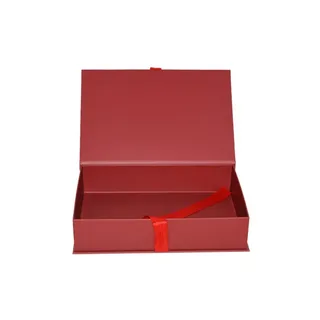
Material selection conveys brand values even before consumers open the box. Quality materials convey a premium experience and a higher price point is more justifiable in that competitive category. Sustainable alternatives attract green minded consumers who value environmentally friendly practices. Longevity contributes to customer satisfaction when products are delivered undamaged. Texture and Weight Tactile sensations formed by values. Brands must balance the cost of production with the message that the materials used in sending to its audience should convey. Custom rigid boxes provide solid protection, while presenting your product with polished professionalism.
Why Is Functionality Important for Customer Satisfaction?
Practical packaging solves real problems that customers face during product use. Easy opening mechanisms reduce frustration and improve the overall experience. Resealable features extend product freshness and demonstrate thoughtful design. Storage considerations help customers organize products efficiently in their homes. Clear labeling provides essential information without cluttering the visual design. Functional elements show that brands understand and respect customer needs. Products become more valuable when packaging adds convenience to daily routines.
How Can Packaging Enhance Product Protection?
Proper protection prevents damage during transportation and handling across distribution channels. Structural design must account for stacking, dropping, and temperature variations. Insert options secure items in place while maintaining aesthetic appeal. Protection builds customer confidence in product quality and brand reliability. Damaged goods lead to returns, negative reviews, and lost future sales. Investing in protective features reduces replacement costs and preserves profit margins. Flip Top Packaging Boxes combine secure closure with accessible opening for delicate items.
What Makes Packaging Memorable for Consumers?
Unique structural elements allow products to stand out among the competition in standard packaging formats. Interactive elements allow consumers to be engaged and form shareable moments within social platforms. A few surprises entertain customers and evoke positive feelings.Memorable packaging turns customers into brand advocates who recommend products organically. Limited editions and seasonal designs keep existing customers interested in product lines. The unwrapping process itself becomes part of the product value proposition. Packlim demonstrates how innovative packaging solutions create lasting brand impressions.
How Does Packaging Support Marketing Strategies?
Packaging extends marketing messages beyond traditional advertising channels into retail environments. Product displays attract attention and communicate key selling points at decision moments. QR codes and digital integrations bridge physical products with online brand experiences. Seasonal packaging refreshes product lines without reformulating actual product contents. Gift-ready presentations expand purchase occasions and increase average transaction values. Packaging tells brand stories that resonate with target demographic preferences and values. Effective design amplifies marketing investments by working continuously at point of sale.
What Are the Benefits of Standardized Packaging Systems?
Consistent packaging reduces production costs through economies of scale in manufacturing. Standardization simplifies inventory management and streamlines distribution operations across multiple locations. Uniform sizing optimizes shipping efficiency and reduces transportation expenses over time. Quality control becomes easier when production follows established specifications and procedures. Training requirements decrease when workers handle familiar packaging formats and materials. Standard systems allow for variations in graphics while maintaining structural consistency. Businesses in the USA benefit from reliable supply chains for standardized components.
How Can Brands Balance Cost and Quality?
Strategic selection of materials imparts quality perceptions without the kind of excessive spending on premium material options. Labor costs are reduced through automation, and standard quality is ensured from one batch to the next. Bulk buying deals with vendors help bring down the prices of units of packaging material. The light weight designs reduce shipping costs and do not affect the structural strength or protection. Testing prototypes helps avoid the costly errors of full production runs. Value engineering also highlights where cost savings that don’t affect the customer experience of a product are possible. Savvy brands are able to hit that sweet spot between affordable and good enough.
Conclusion
Functional packaging strategies create tangible business advantages in competitive markets today. Brands that prioritize both practicality and visual appeal build stronger customer relationships. Material selection, protection features, and memorable design elements work together strategically. Cost management and quality balance remain critical for sustainable packaging programs. The right packaging approach transforms products into powerful brand ambassadors. Investment in strategic packaging decisions pays dividends through increased sales and loyalty. Packaging serves as a silent salesperson working continuously for brand success.