
In a world full of greetings and well-wishes, few phrases carry the depth, warmth, and spiritual resonance of “May the Lord bless you and keep you.” Rooted in scripture and widely used across religious, cultural, and musical contexts, this phrase transcends simple politeness—it is a prayer, a wish, and a spiritual gift rolled into one. For many, hearing or saying “May the Lord bless you and keep you” evokes comfort, hope, and a reminder of God’s enduring presence in our lives. But what does it truly mean, and why has it endured as a timeless blessing? In this article, we will explore the origins, interpretations, cultural significance, musical expressions, and personal meanings of this phrase, while providing practical insights for applying it in everyday life.
Understanding its significance can transform a simple greeting into a powerful spiritual practice. By exploring its roots, biblical context, variations in music and prayer, and personal interpretations, you will gain a deeper appreciation of what it truly means to say or receive “May the Lord bless you and keep you.”
The Biblical Roots: Numbers 6:24-26
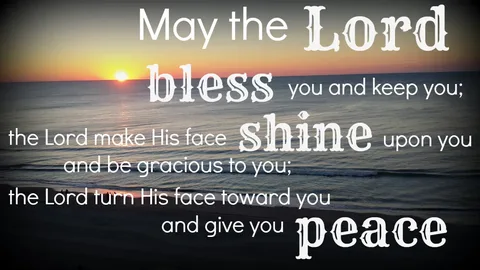
The phrase originates directly from the Book of Numbers in the Old Testament, specifically Numbers 6:24-26. Known as the Aaronic or Priestly Blessing, it reads:
“The Lord bless you and keep you; the Lord make his face shine upon you and be gracious to you; the Lord turn his face toward you and give you peace.”
This passage reflects a structured prayer given by God to Moses, instructing him on how Aaron and his sons should bless the Israelites. It is both a personal and communal invocation of divine protection, favor, and peace. Each line carries profound meaning:
- “Bless you and keep you” implies God’s provision, protection, and guidance through life.
- “Make his face shine upon you” is an expression of divine favor and presence.
- “Be gracious to you” highlights God’s mercy and forgiveness.
- “Give you peace” denotes spiritual and emotional wholeness, or shalom in Hebrew.
This blessing, therefore, is not merely a polite expression; it is a deep spiritual invocation that acknowledges God as the ultimate source of guidance, comfort, and prosperity.
Breaking Down the Phrase
1. May the Lord Bless You
To be blessed by the Lord means to receive God’s favor, guidance, and abundance. Blessings can manifest in various forms—health, peace, prosperity, protection, or spiritual growth. When someone says this, they are essentially praying for your well-being in every aspect of life.
2. And Keep You
This part emphasizes God’s protection. Keeping someone implies guarding them from harm, guiding their steps, and ensuring safety. It is a deeply comforting aspect of the blessing, assuring recipients that they are not alone in facing life’s challenges.
3. May His Face Shine Upon You
The imagery of God’s face shining suggests divine attention, favor, and grace. It indicates being noticed, loved, and accepted by God, reflecting a personal relationship and a blessing that radiates warmth and guidance.
4. And Give You Peace
The final element of the blessing is peace—shalom—which encompasses spiritual, emotional, and social harmony. It is more than just absence of conflict; it is completeness, balance, and a deep sense of well-being.
Significance of “May the Lord Bless You and Keep You” in Daily Life
Using this phrase in everyday interactions can foster:
- Spiritual Connection: It reminds both the speaker and the listener of God’s presence.
- Emotional Support: Offers comfort and encouragement, particularly during stressful times.
- Cultural Tradition: In many faith communities, it is a customary part of worship, greeting, and farewells.
- Prayer Practice: Repeating or meditating on it strengthens faith and mindfulness.
This blessing is versatile—it can be spoken, written, sung, or prayed silently. It bridges religious practice and daily life seamlessly.
“May the Lord Bless You and Keep You” Significance in Prayer
The prayer itself is simple yet powerful. Some individuals use it as a personal meditation, repeating it as a mantra to focus on divine protection and guidance. In religious settings, it is often recited at the end of worship services, as a benediction, or in pastoral letters. Here are some ways people approach it in prayer:
- Silent Meditation: Reflecting on each part of the blessing.
- Spoken Benediction: Offering it aloud to friends, family, or congregations.
- Written Blessings: Including it in cards, notes, or digital messages.
By using it consciously, individuals cultivate awareness of God’s providence, mercy, and peace.

Musical Expressions: Songs and Lyrics
The blessing has also inspired numerous musical adaptations. From traditional hymns to contemporary Christian music, “The Lord bless you and keep you” has been expressed melodically to enhance its spiritual resonance. Some popular formats include:
1. Hymns
Many church choirs perform it as part of worship, emphasizing solemnity and reverence.
2. Contemporary Songs
Modern Christian artists incorporate the blessing into lyrics and songs, bringing the ancient words to new audiences while retaining their spiritual meaning.
3. Lyrical Variations
While the core meaning remains, artists often expand on themes of guidance, hope, protection, and peace, illustrating how this timeless prayer resonates with people across generations.
Exploring Synonyms and Related Expressions
Beyond the literal wording, the blessing can be expressed in numerous ways, each emphasizing aspects of divine favor:
- God be with you and protect you
- May divine grace guide your steps
- Wishing you peace and divine care
- May God’s face shine upon you and grant favor
These variations maintain the intent of prayer and blessing while offering flexibility for personal expression.
Cultural and Spiritual Relevance
1. Across Faiths
While rooted in the Old Testament, the blessing resonates in Christian traditions and has analogs in other spiritual practices, emphasizing protection, guidance, and peace.
2. In Daily Greetings
Many families and faith communities use it as a farewell phrase, during special occasions, or in correspondence to convey genuine care.
3. Psychological and Emotional Benefits
Receiving or giving blessings like this reinforces positive emotions, strengthens relationships, and nurtures a sense of divine security.
Practical Ways to Use the Blessing
- In Conversations: Saying it as a sincere wish during farewells or greetings.
- In Cards or Letters: Writing it to friends, family, or colleagues during holidays, celebrations, or difficult times.
- During Prayer or Meditation: Reflecting on each line to cultivate personal spiritual awareness.
- Through Music: Listening to or singing songs incorporating the blessing.
Each method helps internalize its meaning, spreading hope, peace, and divine favor to oneself and others.
Understanding the Meaning of the Blessing
The deeper meaning of “may the lord bless you and keep you” revolves around several spiritual principles:
- Divine Favor: Experiencing God’s love and kindness in daily life.
- Protection: Being safeguarded from physical, emotional, or spiritual harm.
- Guidance: Receiving direction and clarity in decisions.
- Peace: Achieving inner calm, emotional stability, and harmony.
It encourages recipients to reflect on their life’s journey while trusting in divine providence.
FAQs
1. What is the prayer “May the Lord bless you and keep you”?
It is an ancient benediction from Numbers 6:24-26, invoking God’s blessing, protection, favor, and peace.
2. What does “may the Lord bless you and keep you” mean spiritually?
It represents God’s care, guidance, protection, and the wish for holistic well-being in body, mind, and spirit.
3. How is the phrase used in religious services?
It is often recited as a benediction at the conclusion of worship, during farewells, or in pastoral blessings.
4. Can I use this phrase in a card or letter?
Yes, it is commonly written in letters, cards, or messages to offer heartfelt spiritual support.
5. Is there a song or hymn for this blessing?
Yes, multiple traditional and contemporary Christian songs use this benediction as lyrics or chorus.
6. How does this phrase relate to Numbers 6:24-26?
It is a direct excerpt from this biblical passage, part of the Aaronic blessing instructed by God to Moses for Aaron and his sons.
7. Does “may the Lord bless you and keep you” have emotional benefits?
Yes, offering or receiving this blessing can provide comfort, hope, reassurance, and a sense of peace.
Conclusion
The phrase “may the lord bless you and keep you” is more than a simple greeting—it is a prayer, a spiritual gift, and a profound expression of divine care. Its roots in Numbers 6:24-26, its use in music and liturgy, and its emotional and cultural significance make it a timeless blessing. Whether spoken aloud, written in a card, reflected upon in meditation, or sung in a song, it offers protection, guidance, favor, and peace to both giver and receiver. By embracing this blessing in daily life, individuals foster a connection with God, cultivate positive energy, and share a message of love and hope with others. From a personal, communal, and spiritual perspective, this blessing remains an enduring source of comfort and inspiration—a reminder that we are never alone and always watched over.
For those looking to incorporate it in everyday life or special occasions, wishadays offers a variety of inspirational cards, gifts, and resources that feature this timeless blessing, helping people share spiritual encouragement and heartfelt prayers with loved ones.