Introduction
Riddles have fascinated humans for centuries: they play on our language, logic, and imagination in equal measure. Whether you’re tackling simple riddles for kids or diving into brain-teasers like hard , the essential process remains the same. In this guide, brought to you by Wishadays, we’ll walk you through a full, step-by-step approach to cracking —covering everything from identifying the trick to verifying your answer, and building trust in your riddle-solving expertise.
By the end of this article, you’ll feel more authoritative and confident in your ability to tackle riddles—whether they’re a quick playful puzzle, a witty funny riddle challenge, or the dreaded really hard that stump even seasoned solvers.
Understanding What a Riddle Is
Definition and Purpose
At its simplest, a riddle is a statement or question framed to require creative or lateral thinking for its solution. It typically employs word-play, metaphor, double meanings, or trick wording. The goal is to go beyond the obvious. In many cultures, part of oral traditions—used for entertainment, teaching, and sharpening the intellect.
Types of Riddles
Riddles come in many forms. Some common categories include:
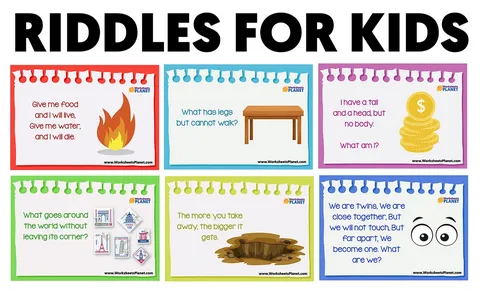
- Easy riddles / kids: Designed for children, featuring simpler logic or familiar objects.
- Funny riddles: Light-hearted wordplay aimed at laughter.
- Hard riddles / very hard : Require lateral thinking, multiple steps, or unique insight.
- Riddles with answers: Include solutions for learning or reference.
- Riddles for adults: Contain sophisticated vocabulary or subtler word-tricks.
Understanding the type helps you choose the right approach.
Why Solve Riddles?
Riddles sharpen multiple aspects of your thinking:
- Cognitive skills: Improve vocabulary, metaphor recognition, and reasoning.
- Lateral thinking: Force you to think “outside the box.”
- Perseverance: Teach patience and problem-solving persistence.
- Social enjoyment: riddles with friends or children builds connection.
- Social enjoyment: riddles with friends or children builds connection.
- Problem-solving mindset: Encourages the same mental flexibility useful in daily life.
The Step-by-Step Approach to Solving a Riddle
Step 1 – Read Carefully
Before you guess, take your time. Read it several times, focusing on:
- Unusual words or phrases.
- Repetition, rhythm, or punctuation.
- Visualising the scene or description.
Step 2 – Identify Keywords and Peculiarities
Once you’ve read it, underline key terms and oddities. These separate riddles from ordinary questions. Ask yourself:
- Which words stand out?
- Is there a contradiction or strange description?
- Could a word have multiple meanings?
Step 3 – Consider Literal vs. Figurative Meaning
A common mistake is treating every word literally. personification, or symbolism. When a riddle says, “I speak without a mouth,” it’s clearly not a living being—it’s something abstract.
Step 4 – Use Lateral Thinking and Creativity
This is where you stretch your mind. Ask: “What else could this mean?”
Techniques include:
- Reversing assumptions.
- Changing perspectives—perhaps the answer is an object, not a person.
- Thinking beyond the obvious categories.
- Visualising the scenario for better understanding.
Step 5 – Recognise Patterns and Themes
Many riddles follow familiar themes: things that move but have no legs, or exist but cannot be touched. Common answers include time, shadow, wind, or water. Familiarity with these patterns helps you solve faster.
Step 6 – Apply Logical Elimination
Even with creative thinking, use logic to rule out answers. Ask:
- Does my answer satisfy every clue?
- Does it fit all parts of the riddle, not just one?
- Is there any clue left unexplained?
Step 7 – Test Your Answer
When you have an answer, verify it. A trustworthy solver always checks:
- Does it match every line of the riddle?
- Does it fit the riddle’s tone—funny, hard, or simple?
If any part doesn’t align, reconsider.
Step 8 – Practice Consistently
Like any skill, solving riddles improves with practice. Try a mix: easy , funny ones, and complex adult . Keep a notebook to track your progress. Revisit riddles you got wrong to understand how the trick worked.
Step 9 – Stay Calm and Enjoy
Don’t let frustration block creativity. Sometimes the answer arrives when you stop thinking too hard. Step away and come back with fresh eyes.
Advanced Tips and Expert Strategies
Familiarise Yourself with Trick Types
Experts recognise the common forms of misdirection:
- Wordplay: Homophones or puns.
- Contradictions: Statements that seem impossible but make sense later.
- Figurative speech: Describing an abstract concept like time or fire in human terms.
Ask “What Else Could This Be?”
When you think you’ve solved it, pause and question your conclusion. This habit refines your reasoning and prevents you from falling for the first idea.
Watch for Red Herrings
Tricky riddles often include unnecessary words to distract you. Stay skeptical of anything that seems too obvious.
Use General Knowledge Wisely
Some depend on facts about nature, idioms, or common sayings. But don’t assume obscure knowledge unless the riddle suggests it.
Discuss and Teach
Explaining or discussing them with others improves your perspective. Collaboration helps uncover new methods of thinking.
Applying the Approach to Different Audiences
Riddles for Kids
Children’s riddles should be simple, relatable, and visual. Encourage curiosity and let them explore different interpretations.
Funny Riddles
Humorous usually rely on wordplay or puns. Keep your mind open to playful meanings and unexpected twists.
Hard Riddles and Riddles for Adults
These often include multiple layers or subtle word choices. Read carefully, reflect on each part, and challenge your assumptions.
Common Mistakes to Avoid
Rushing to the First Answer
The first guess is often wrong. Take your time and think.
Ignoring a Line or Clue
Every word in a riddle serves a purpose. If your answer doesn’t explain one part, it’s incomplete.
Overcomplicating Things
Some sound difficult but have simple solutions. Don’t assume every riddle needs a deep or rare answer.
Failing to Reflect
Guessing without reflection limits growth. Review your process—why did your answer work or fail?
Building Your Authority as a Solver
Be Transparent About Your Reasoning
Explain how you reached an answer. Step-by-step explanations show logical thought and build credibility.
Keep a Riddle Journal
Write down you’ve solved and the logic behind them. Over time, you’ll recognise common patterns and tricks.
Share and Teach Others
Teaching others reinforces your expertise. You’ll also learn new perspectives from how others interpret clues.
Stay Curious and Humble
Even the best riddle solvers get stuck. Staying open-minded keeps your skills sharp and helps maintain your trustworthiness.
Frequently Asked Questions
What’s the difference between a riddle and a puzzle?
A riddle is a puzzle that uses words, metaphors, and clues. Puzzles can include images, numbers, or physical objects, while riddles focus on language.
Are some riddles harder than others?
Yes. Some are designed for children, while others challenge even experts. Difficulty depends on how hidden the clues are and how much creativity is required.
How can I get better at solving riddles?
Practice consistently. Try various types—funny , kid , adult riddles—and review how the clues point to answers.
Do riddles help kids learn?
Absolutely. improve language, logic, creativity, and confidence in children.
What should I do if I get stuck?
Take a short break. Look at the riddle again later with fresh eyes. Discuss it with someone else or try approaching it from a new angle.
Why are riddles popular in stories and media?
Characters like The Riddler from Batman or Tom Riddle (Voldemort) in Harry Potter show how represent mystery, intelligence, and hidden identity.
Conclusion
Riddles are more than entertainment—they’re a powerful exercise for the brain. Whether you enjoy kids , funny riddles, or hard with answers, the same structured method applies: read carefully, find clues, think creatively, and test your reasoning.
With consistent practice, you’ll build both confidence and expertise. You’ll not only enjoy the thrill of discovery but also develop sharper thinking and communication skills. Keep challenging yourself, share riddles with others, and remember: the best solvers are those who stay curious and persistent.
Happy riddle-solving!