When buying meat from a store or butcher, some cuts remain juicy while others dry quickly. Meat consists of proteins and water and cooking or storing incorrectly can cause water to escape, making the beef dry and hard. Moisture is needed to hold both taste and texture. For instance, cooking steak without controlling the heat causes water to leave muscle fibers, making the texture firm and difficult. Storing raw meat without protecting or using proper substances causes water loss before cooking.
Why Does Temperature Play a Role in Meat Drying?
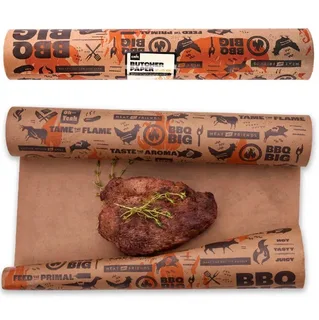
Temperature has a major effect on water retention in meat. Cooking temperature also affects how water stays inside muscle. Slow cooking allows proteins to hold water, while high heat forces water out quickly making the surface dry. Methods like sous vide cook meat in water at a controlled temperature, keeping juices inside the fibers. At home, maintaining a steady temperature prevents moisture from escaping. Wrapping meat properly during storage creates a barrier holding water inside. Many butcher shops and restaurants use bulk butcher paper to store meat, slowing water loss and keeping quality consistent for customers.
How Does Meat Thickness Affect Drying Rate?
Meat thickness affects how fast water leaves fibers. Thin cuts cook quickly and lose water fast. Thick cuts take longer and hold water longer. Chicken breast sliced thin loses water in minutes compared to whole breast making texture hard.
Thin cuts have more surface area exposed to heat speeding water loss. Thick cuts act as reservoirs keeping water in the center while the surface cooks. Adjusting cooking for thin cuts and covering thick cuts prevents water from escaping. Many butcher shops use custom kraft paper to wrap thick cuts creating a protective layer that slows moisture loss. Proper handling ensures thick and thin cuts stay moist and tender during storage and cooking.
How Do Wrapping Materials Affect Meat Moisture?
Wrapping material affects how water moves from meat to surrounding air. Thin paper allows water to escape. Over-tight wrapping traps water unevenly. Papers like waxed paper or custom wrapping paper protect meat while allowing small airflow.
Butchers and meat sellers rely on proper wrapping to maintain freshness. WaxPapersHub suggests materials that prevent water loss while keeping fibers intact. Wrapping prevents contact with air, slowing moisture loss without changing taste. Correct wrapping keeps meat ready for cooking, preserves natural texture and prevents surface from drying.
Can Freezing Techniques Affect Moisture Loss?
Freezing is useful but can remove water if done incorrectly. Slow freezing produces large ice crystals breaking cell walls causing water loss after thawing. Quick freezing forms small crystals preserving water inside fibers.
Thawing slowly in the fridge keeps water in the meat. Using microwaves or warm water causes water to leave fibers fast. Many commercial kitchens wrap meat in custom wrapping paper before freezing. Wrapping tightly and freezing flat ensures water remains in fibers, preventing dry texture. Following correct freezing and thawing preserves meat quality for both home cooks and businesses.
Why Does Meat Type Affect Moisture Loss?
Different meats hold water differently. Beef and lamb hold water better due to fat in fibers. Lean meats such as chicken or turkey dry faster. Fish loses water quickly when heated due to delicate fibers.
Understanding meat characteristics helps with storage and cooking. Salmon cooks well at low temperature to retain water. Beef roasts slowly to hold moisture. Businesses use custom wrapping paper to protect different meat types during storage. Matching cooking and storage methods to meat type keeps fibers full of water improving texture and taste for every cut.
How Does Air Exposure Make Meat Dry?
Air causes water to leave meat quickly. Even in the fridge uncovered meat loses water and dries. Meat left out for hours develops a hard surface.
Limiting air contact slows water loss. Wrapping and storing meat in airtight or breathable papers reduces evaporation. Chefs and home cooks benefit from protective wrapping to preserve water in fibers. Using paper and controlled storage prevents drying, keeps texture soft and prevents waste.
Can Moisture Be Restored to Dry Meat?
Sometimes meat loses water despite precautions. Adding moisture with sauces, broths or gentle steaming improves texture. Water may not fully return but fibers regain softness.
A restaurant overcooked chicken on the grill. Placing meat in a low oven with small broth restored water inside fibers. Lean cuts respond better. Correct storage and cooking reduce the need for restoring moisture but protective materials make restoring water easier.
How Do Regular Practices Prevent Meat From Drying Out?
Consistent handling prevents water from leaving fibers. Checking temperature using wrapping resting after cooking and proper cooking methods maintain moisture.
Businesses and home cooks benefit from custom wrapping paper. WaxPapersHub guides on proper materials to keep meat in its natural state. Regular handling practices keep meat soft, tender and ready for cooking.