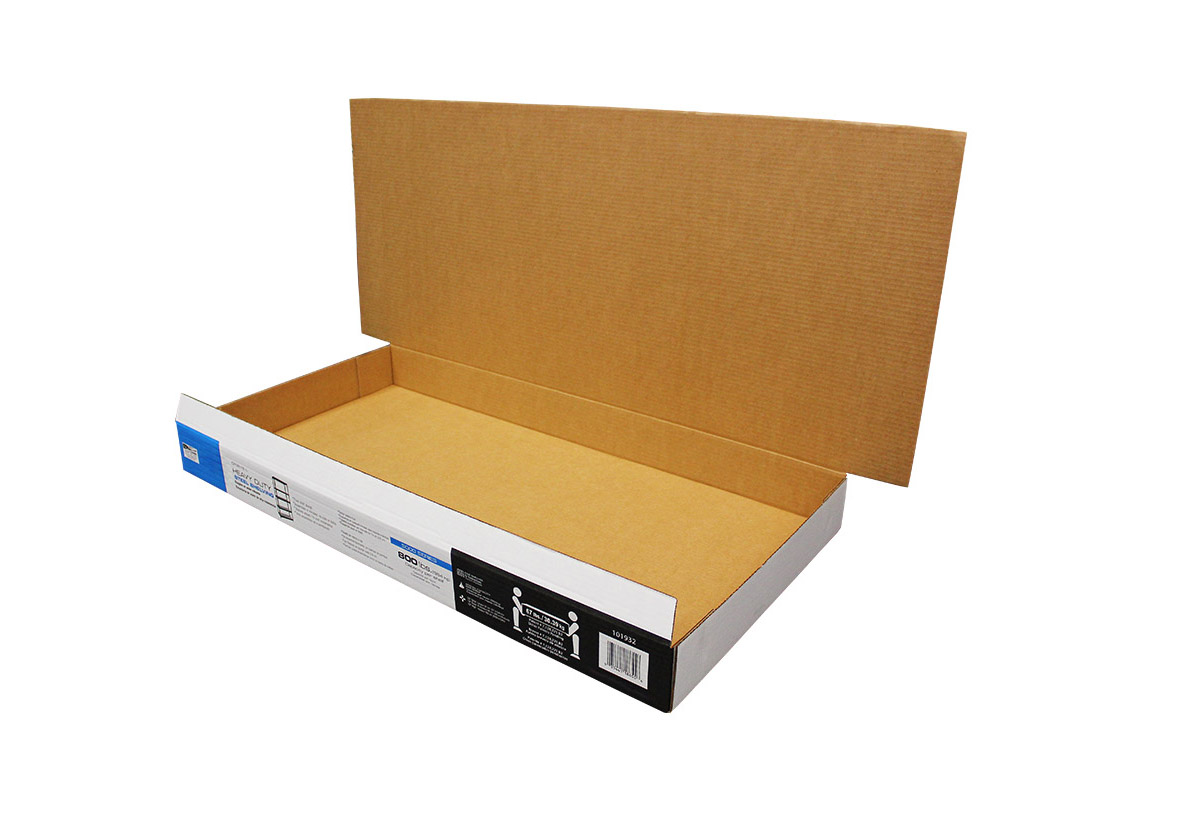
Packaging efficiency has become a major priority for brands operating in competitive retail and distribution markets. Businesses today seek packaging that balances cost, durability, and presentation without compromising product safety. Among various structural packaging options, tray tuck top packaging has emerged as a practical and budget-friendly solution for a wide range of industries.
Designed for ease of assembly and secure product placement, tray tuck top boxes offer functional benefits that make them suitable for both retail and transit environments. Their adaptable structure and material flexibility allow businesses to meet packaging needs while controlling production and logistics costs.
Understanding Tray Tuck Top Packaging
Tray tuck top boxes are characterized by a four-corner tray structure combined with a tuck-in top panel. This design creates a stable base with a secure closure, making it ideal for products that require both visibility and protection.
Tray tuck top packaging is commonly used for items that need organized placement and easy access while maintaining a neat presentation. Its structure minimizes excess material usage, contributing to cost efficiency without sacrificing performance.
Structural Benefits of Tray Tuck Top Boxes
The design of tray tuck top boxes offers multiple functional advantages that make them cost-effective:
- Strong base construction for product stability
- Tuck-in top ensures secure closure during handling
- Flat shipping and easy assembly reduce labor costs
- Efficient material usage lowers production expenses
These benefits make tray tuck top boxes an effective choice for businesses focused on reducing operational costs while maintaining packaging quality.
Applications Across Multiple Industries
Tray tuck top boxes are widely used due to their adaptability across different product categories.
Food and Consumer Goods Packaging
For brands involved in packaging for food and consumer goods, tray tuck top boxes provide a hygienic and organized solution. The open tray structure allows easy placement of items, while the tuck top adds an extra layer of protection.
Common uses include:
- Bakery items and confectionery
- Ready-to-eat food containers
- Dry food products
- Household consumer goods
Retail Product Packaging
Retailers benefit from packaging for retail products that enhances shelf organization and visual appeal. Tray tuck top boxes allow products to sit upright, improving visibility and accessibility for customers.
Their clean structure also supports efficient shelf stacking and display management.
Cost Efficiency Through Smart Design
One of the main reasons tray tuck top boxes are considered cost-effective lies in their structural simplicity.
Reduced Material Waste
- Minimal die-cut complexity
- Efficient use of paperboard or corrugated materials
- Lower ink and finishing requirements
Optimized Shipping and Storage
- Ships flat, reducing transportation costs
- Requires minimal storage space
- Quick assembly reduces labor time
These factors collectively reduce overhead expenses, making tray tuck top boxes suitable for both small-scale businesses and large-volume packaging operations.
Customization Without Excess Cost
Customization is often associated with higher packaging expenses, but tray tuck top boxes allow flexibility without significant cost increases.
Through custom tray box design, businesses can adapt packaging to product dimensions, branding requirements, and retail display needs.
Customization options include:
- Size adjustments for product fit
- Branding elements such as logos and patterns
- Structural tweaks for product weight or fragility
By maintaining a standardized box structure, brands can customize appearance while controlling manufacturing costs.
Material Choices for Cost and Performance Balance
Selecting the right material plays a crucial role in cost-effective packaging.
Common material options include:
- Kraft paperboard for lightweight products
- SBS paperboard for retail-focused presentation
- Corrugated board for added strength and protection
These materials provide durability while supporting packaging for food and consumer goods and retail environments. Choosing recyclable or biodegradable materials can also support sustainability goals without increasing costs.
Enhancing Product Protection
Tray tuck top boxes offer adequate protection for a wide range of products when paired with proper material selection and internal layout.
- Stable tray base prevents product movement
- Tuck top secures contents during transport
- Optional inserts enhance product separation
This structure minimizes damage risk, reducing product returns and replacement costs over time.
Retail Display and Shelf Efficiency
From a merchandising perspective, tray tuck top boxes contribute to organized and visually appealing retail displays.
Benefits include:
- Easy product access for customers
- Neat shelf alignment
- Improved brand visibility
For brands seeking efficient packaging for retail products, this packaging style supports both functional and aesthetic goals without requiring high-end finishing techniques.
Sustainability and Cost Control
Sustainability is increasingly linked with cost savings in packaging. Tray tuck top boxes align with eco-friendly practices due to:
- Reduced material usage
- Compatibility with recyclable materials
- Lower carbon footprint during transportation
Brands can integrate sustainability initiatives while maintaining cost control, making tray tuck top boxes a future-ready packaging solution.
Long-Term Value for Businesses
While tray tuck top boxes are affordable upfront, their real value lies in long-term operational efficiency:
- Lower packaging production costs
- Reduced shipping and storage expenses
- Improved product protection and presentation
Businesses that invest in structurally efficient packaging often experience better logistics performance and customer satisfaction over time.
Conclusion
Tray tuck top boxes offer a practical balance between cost efficiency, functionality, and presentation. Their adaptable structure makes them suitable for packaging for food and consumer goods, retail environments, and various consumer product categories. By leveraging custom tray box design, businesses can meet branding and product requirements without inflating packaging budgets.
For brands seeking scalable and efficient packaging solutions, tray tuck top packaging provides a reliable option that supports both operational goals and market expectations. When thoughtfully designed and produced through custom design packaging, these boxes contribute to streamlined logistics, improved shelf presence, and long-term cost savings.