Welcome to the wonderful world of sewing! Learning about different nahttypen is like learning a new language. These are the different ways we join pieces of fabric together. If you are a beginner, you might feel a bit lost. Don’t worry! This anfänger nähguide is here to help you. Using the right nahtarten makes your clothes strong and pretty. Some stitches are made by a machine, and some are made by hand. Both are very important nähtechniken.
Think of stitches as the “glue” for your fabric. When you start, you only need to know a few basic ones. As you practice, you will learn many more maschinennähte. It is like building with blocks. First, you learn the simple shapes. Then, you can build a whole castle! This guide will show you 10 types of stitches. We will explain what they do and why they are special. You will be a sewing pro in no time!
Geradstich (Straight Stitch)
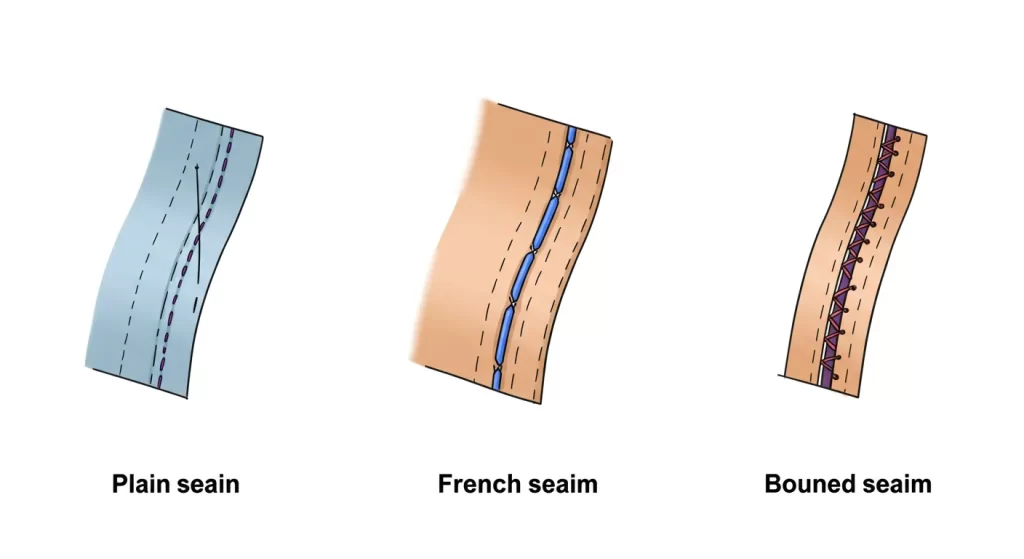
The geradstich is the most famous stitch of all. It is a simple, straight line. Most of your sewing will use this stitch. It is the king of maschinennähte. You use it to sew two pieces of cloth together. It is very strong and looks very neat. To do it, you just guide the fabric under the needle. The machine does the rest!
When you use this stitch, you must be careful to stay in a line. It is great for pillows, bags, and simple clothes. If you are learning new nähtechniken, start here. It is the foundation for everything else. Most sewing machines have a dial to change the length of this stitch. Short stitches are very strong. Long stitches are easier to take out if you make a mistake. Every beginner loves the straight stitch because it is so easy to see and understand.
Zickzackstich (Zigzag Stitch)
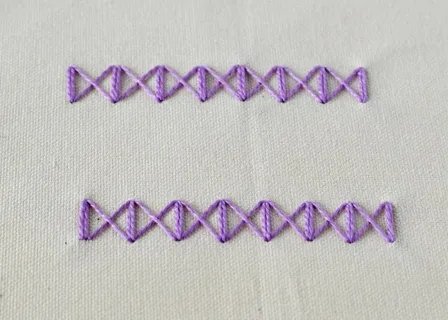
The zickzackstich is a fun stitch that goes side to side. It looks like a row of little mountains or the letter “W”. This is one of the most useful nahttypen for stretchy fabrics. Why? Because it can stretch without breaking the thread! If you use a straight stitch on a T-shirt, the thread might snap. But the zigzag stitch moves with the fabric.
This stitch is also great for messy edges. If your fabric is fraying (falling apart at the ends), use this stitch on the edge. It locks the threads in place. You can make it wide or very thin. It is a very helpful part of any anfänger nähguide. You will find yourself using it all the time for repairs and crafts. It is truly a versatile tool in your sewing box.
Überwendlichstich (Overlock/Overcast Stitch)
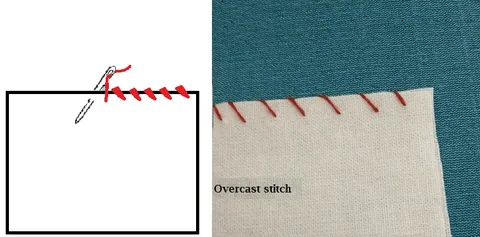
The overlocknaht is what makes the inside of your store-bought clothes look so neat. It wraps around the edge of the fabric. This stops the fabric from ever coming apart. In professional shops, they use a special machine called a serger. But most home machines have a version called an overcast stitch. It mimics the look of a real overlock.
This is one of the best nahtarten for making long-lasting clothes. It combines joining the fabric and finishing the edge at the same time. It saves you a lot of work! When you look at the seam of your jeans, you might see this stitch. It looks like a complex web of threads. Even though it looks hard, your machine makes it easy. Using this stitch is a smart way to level up your sewing skills.
| You visit wishaday more informative blogs |
Blindstich (Blind Hem Stitch)
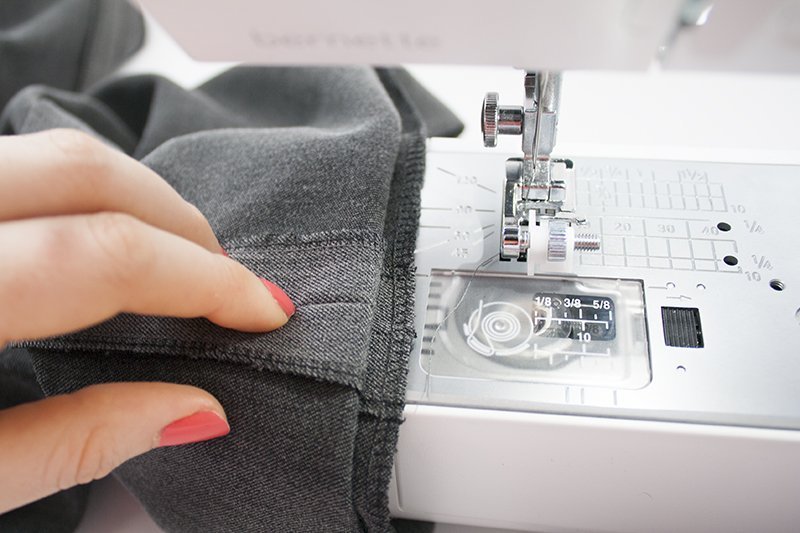
Have you ever wondered how pants have a bottom edge with no visible stitches? They use the blindstich. This stitch is like a magic trick! It hides the thread so you cannot see it from the front. It is mostly used for “hemming,” which means fixing the length of pants or skirts. It is a very elegant part of your nähtechniken library.
The machine takes a few straight stitches and then one tiny “jump” to the side. That jump only catches one tiny thread of the fabric. Because it only catches a tiny bit, the stitch stays invisible on the outside. It takes a little bit of practice to get the fabric folded the right way. But once you learn it, your clothes will look very professional. It is much faster than sewing a hem by hand!
Dreifach-Geradstich (Triple Straight Stitch / Stretch Stitch)
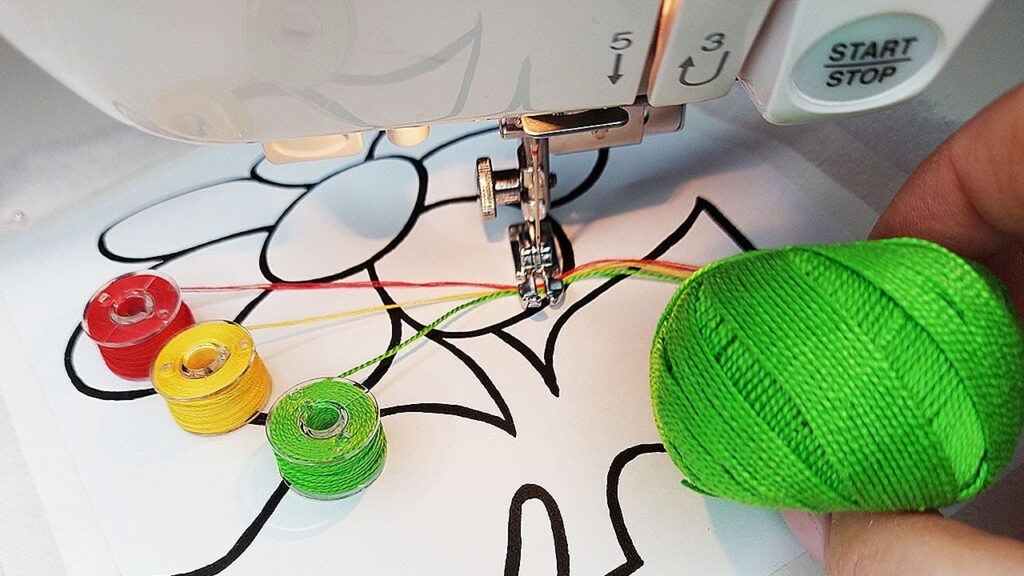
Sometimes a normal straight stitch is not strong enough. That is when you use the triple straight stitch. The machine sews one stitch forward, one stitch back, and then another forward. This makes the line of thread very thick and very tough. It is one of the strongest maschinennähte you can find.
This stitch is perfect for things that get pulled a lot. Think about the crotch of your pants or the handles of a heavy bag. It is also excellent for stretchy fabric because the extra thread allows the seam to pull without snapping. Even though it looks like a regular line, it is three times as strong. It is a “heavy-duty” choice in your list of nahttypen. If you want something to stay together forever, use this one!
Knopflochstich (Buttonhole Stitch)
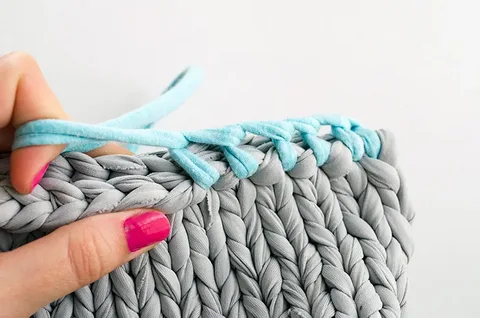
Buttons need a hole to go through, but if you just cut a hole in fabric, it will rip. The knopflochstich creates a strong border around the hole. It uses many tiny stitches packed very close together. This creates a hard “frame” of thread. Most modern machines have a special setting that does this almost automatically.
In the old days, people did this as a handstich, but now machines make it fast. You put your button in a special foot, and the machine measures exactly how big the hole needs to be. It is a very cool part of the anfänger nähguide. Learning to make buttonholes opens up a whole new world of sewing. You can make shirts, jackets, and dresses that actually close! It is a very satisfying stitch to finish.
Heftstich (Basting Stitch)
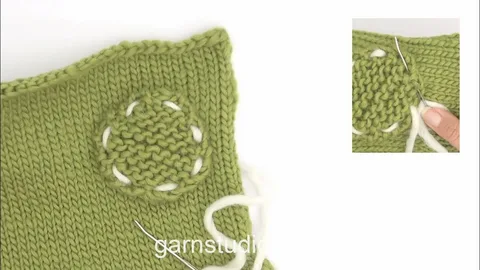
The heftstich is a temporary stitch. It is like using a paperclip made of thread. You use very long straight stitches to hold two pieces of fabric together for a short time. You do this before you sew the “real” permanent seam. It helps you check if the clothes fit or if the pieces are lined up correctly.
Since the stitches are so long, they are very easy to pull out later. You don’t even need a special tool; usually, you can just tug the thread. It is a great way to avoid mistakes. Many beginners skip this step, but professional sewers use it all the time. It is one of the most helpful nähtechniken for tricky projects. Think of it as a “draft” for your sewing. It ensures everything is perfect before you make it permanent.
Rückstich (Backstitch)
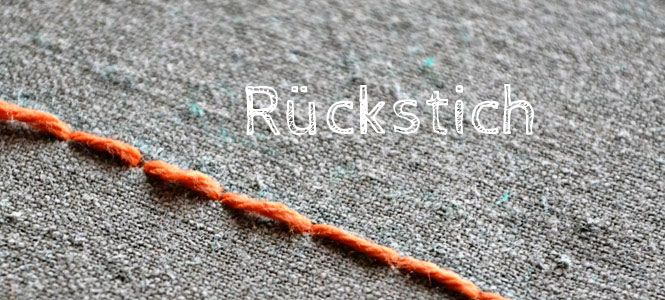
The rückstich is the most important handstich to learn. If you don’t have a machine, you can still sew strong things with this! To do it, you bring the needle up, go backward a little bit, and then bring it forward underneath. It overlaps the threads. This makes a solid, continuous line that looks like a machine stitch.
It is much stronger than a simple running stitch. If one thread breaks, the whole thing doesn’t fall apart. You use this for fixing holes in pockets or sewing small toys. It is a vital part of knowing different nahtarten. Even if you love your machine, sometimes you need to sew a small spot by hand. The backstitch is your best friend for those moments. It is easy to learn and very reliable.
Zierstich (Decorative Stitch)
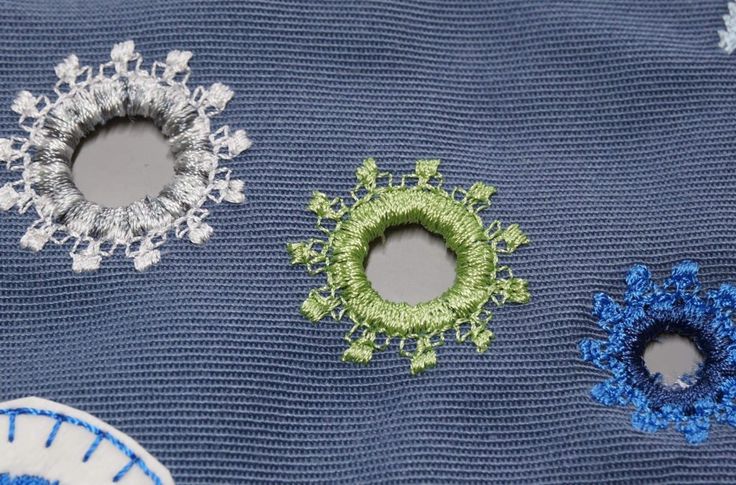
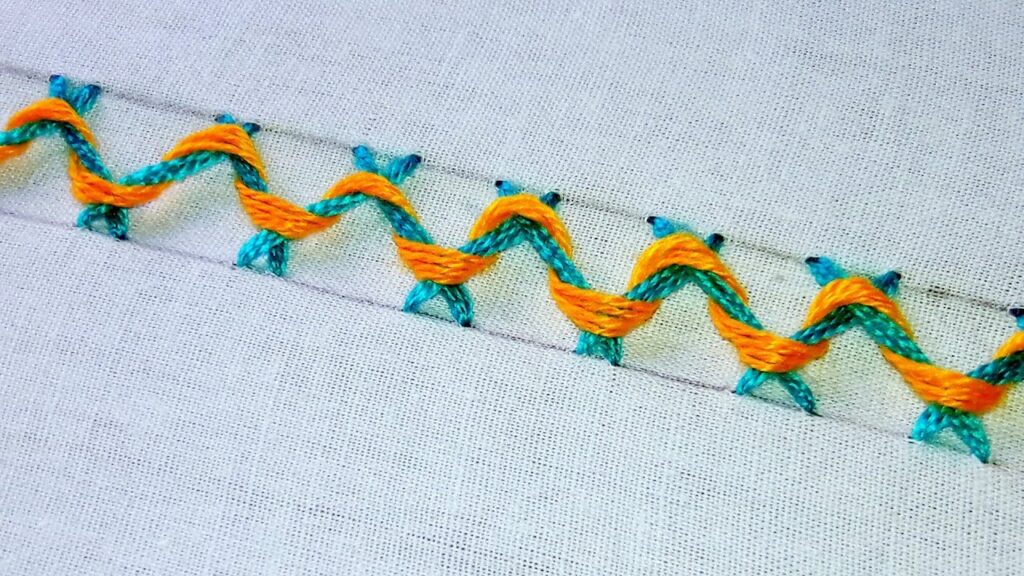
Sewing is not just about holding things together; it is also about making them pretty! Zierstich refers to decorative stitches. These can look like hearts, flowers, stars, or wavy lines. Most sewing machines have a whole menu of these fun nahttypen. They don’t usually have a “job” other than looking nice.
You can use these to decorate the edges of a pocket or a blanket. Some people even use the kreuzstich (cross stitch) as a decoration. A cross stitch looks like a little “X”. These stitches use a lot of thread, but they make your projects unique. They are the “art” part of your anfänger nähguide. Don’t be afraid to play with the different patterns on your machine. It is a great way to add your own style to your work!
Matratzenstich (Ladder Stitch / Invisible Stitch)
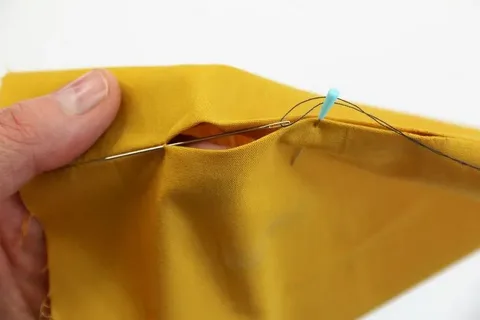
The matratzenstich is a magical hand stitch. It is used to close up pillows or stuffed animals. When you finish stuffing a toy, you have a hole left over. You use this stitch to pull the two sides together. When you pull the thread tight, the stitches completely disappear! That is why it is often called the invisible stitch.
It works by going back and forth between the two sides like the rungs of a ladder. It is a very important handstich for finishing projects. Without it, your pillows would have messy lumps at the end. It is one of those nähtechniken that feels like a secret trick. It is very satisfying to watch the opening vanish as you pull the string. Every beginner should practice this until they can do it perfectly.
Conclusion
Knowing these different nahttypen will make your sewing journey much easier. From the simple geradstich to the beautiful zierstich, each one has a special purpose. You have learned about strong maschinennähte and careful hand stitches. You now know how to stop fabric from fraying and how to hide your hems. These nahtarten are the tools you need to create anything you can imagine.
Don’t worry if you don’t remember them all right away. Sewing is a skill that grows with time. Keep this anfänger nähguide close by while you work. Try a new stitch on a scrap piece of fabric today! The more you practice these nähtechniken, the more confident you will feel. Soon, you will be fixing your own clothes and making gifts for your friends. Happy sewing!