Air travel is often planned with precision, yet unexpected changes can arise even on long-haul international routes. Recently, Delta Flight DL275 Diverted LAX became a trending topic among travelers tracking international aviation updates. Many passengers and aviation enthusiasts were left wondering what led to the sudden route change and how such diversions are handled. In this in-depth guide by wishadays, the situation is explained clearly, focusing on safety procedures, airline policies, and passenger rights.
Flight Overview: Delta Flight DL275 Diverted LAX from Detroit to Tokyo
Delta Air Lines operates Flight DL275 as a long-haul international service between Detroit Metropolitan Wayne County Airport (DTW) and Tokyo Haneda Airport (HND). This transpacific route is considered one of the airline’s important connections between the United States and Japan.
The flight typically covers thousands of miles over the Pacific Ocean. A wide-body aircraft is often assigned to such routes, equipped for extended-range operations and designed for passenger comfort during long journeys.
On the day of the incident, the aircraft departed from Detroit as scheduled. According to updates seen through tools such as delta status flight, dl flight status, and delta airlines flights status, the flight initially appeared to be operating normally. However, a diversion was later recorded in the delta flights status system.
Long-haul routes like Delta Flight DL275 Diverted LAX require strict monitoring. Fuel consumption, weather conditions, airspace restrictions, and technical systems are continuously evaluated throughout the journey. Any irregularity on Delta Flight DL275 Diverted LAX is addressed immediately under international aviation safety standards to ensure passenger safety and operational reliability.
What Happened to Delta Flight DL275?
During its journey toward Tokyo, the aircraft was redirected to Los Angeles International Airport (LAX) instead of continuing across the Pacific. This unexpected event was quickly reported across social media platforms and aviation forums.
Travelers using delta track flight, flight tracker delta, and flight tracking delta airlines tools observed the aircraft’s change in route. The sudden deviation from the planned flight path raised concerns and questions.
Diversions are not uncommon in commercial aviation. They are implemented when flight crews or operations teams determine that continuing to the original destination may not be the safest or most efficient option. In this case, a precautionary decision was made to land at LAX.
While rumors circulated, no confirmed reports indicated a severe emergency. The event was managed in accordance with aviation safety procedures, and the aircraft landed safely.
Why Delta Flight DL275 Diverted to LAX
Several potential factors can lead to a diversion on a long-haul flight. Although official details are often limited for operational reasons, aviation experts typically consider technical issues, passenger-related concerns, or medical emergencies as common triggers.
Technical or Mechanical Issue
Aircraft systems are designed with redundancy, yet minor mechanical irregularities can still occur. When a technical alert is detected, it is evaluated carefully by pilots and ground operations teams.
In many cases, diversions like the Delta Flight DL275 Diverted LAX are precautionary. Even if the issue appears minor, it may be safer to land at a well-equipped airport rather than continue over the ocean. A situation categorized under a Delta airline emergency does not necessarily imply danger; it often reflects a preventive action.
For long-haul flights heading toward Asia, crossing the Pacific without resolving a mechanical concern is generally avoided. The term Delta Flight DL275 Diverted LAX began trending online as tracking data showed the route change.
Aircraft safety protocols are strict. If a system warning light is triggered or if a sensor reports abnormal readings, a diversion like Delta Flight DL275 Diverted LAX may be initiated even if passengers do not perceive any issue onboard.
Safety Protocols and Crew Decision
Pilots are trained extensively to evaluate risk factors. Decisions are not made lightly. When uncertainty arises, the safest course of action is chosen.
International aviation regulations emphasize caution. A diversion may be declared even if it results in inconvenience for passengers. Safety always outweighs schedule commitments.
Passengers who were monitoring delta flight status today and using check flight status : delta tools observed the updated arrival information reflecting Los Angeles instead of Tokyo.
Crew coordination with Delta’s operations control center ensures that alternative airports are prepared to receive the aircraft. This collaboration allows diversions to be handled efficiently.
Why Los Angeles International Airport (LAX) Was Chosen
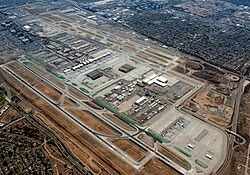
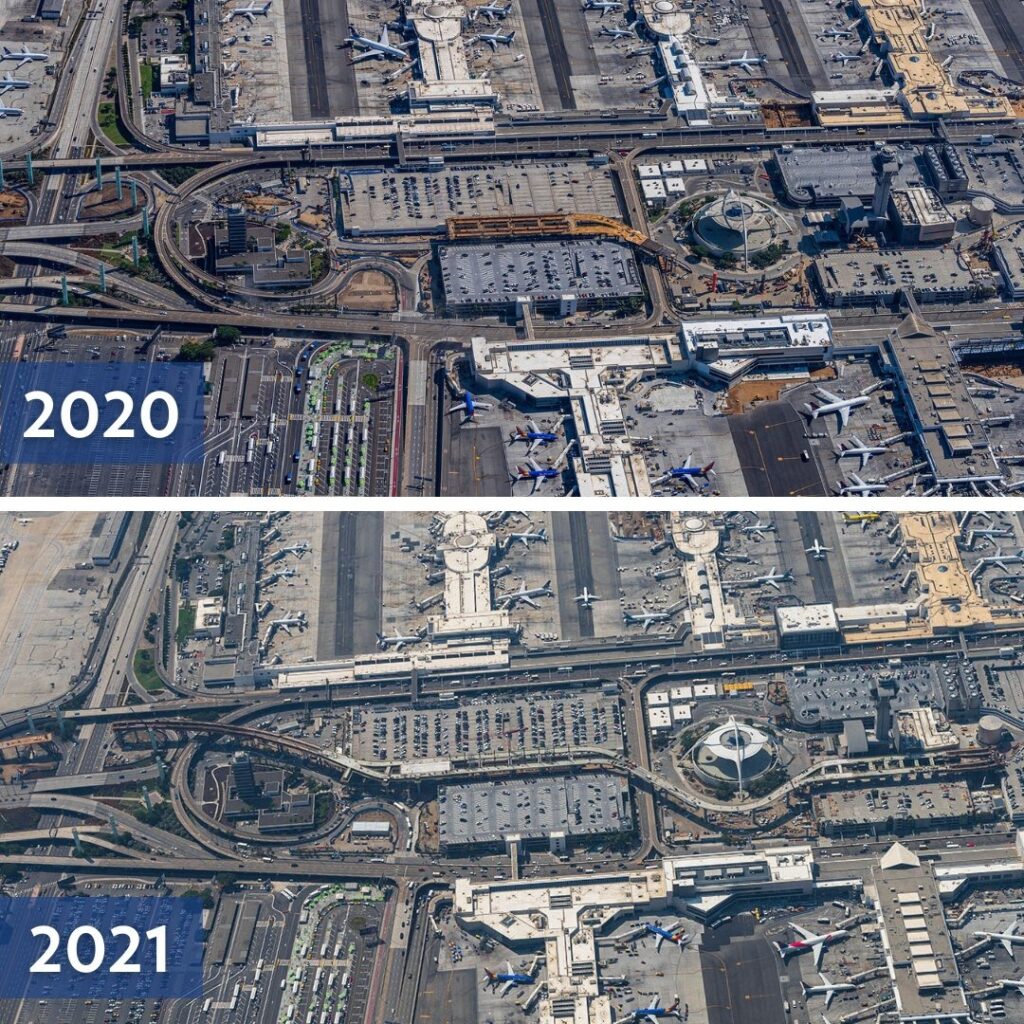
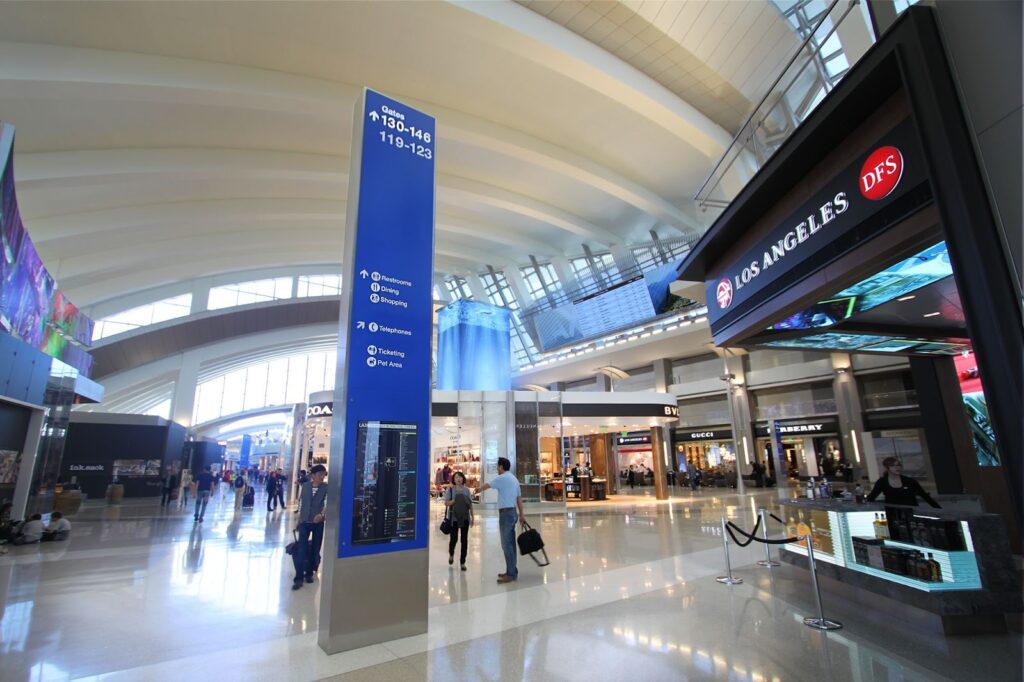
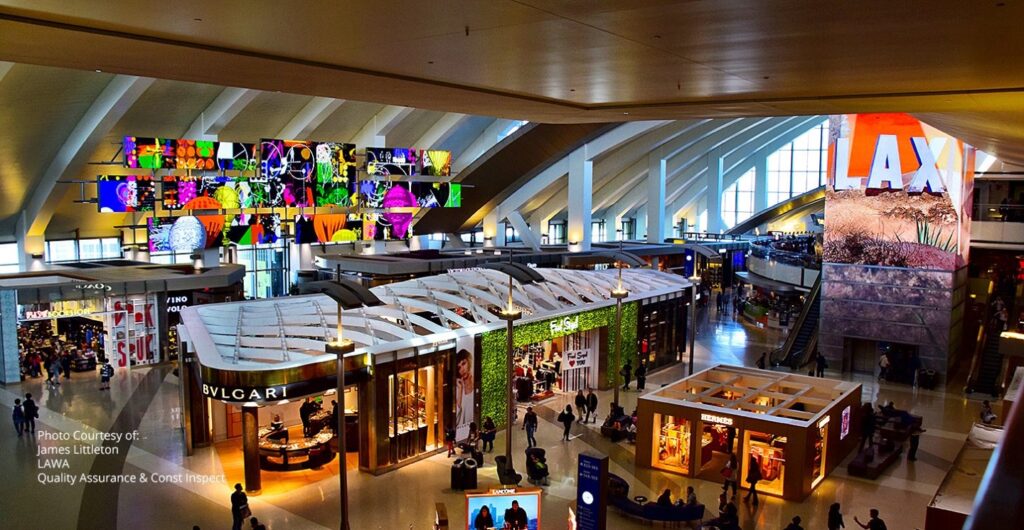
Los Angeles International Airport is one of the busiest and most strategically positioned airports in the United States. It serves as a major gateway for transpacific flights.
Strategic Location Over the Pacific
From a geographic standpoint, LAX is ideally situated for flights traveling from the Midwest to Asia. If a concern arises after departure from Detroit but before crossing the majority of the Pacific, Los Angeles becomes a logical option.
The airport offers long runways capable of accommodating large international aircraft. Its coastal location also makes it a practical turning point before entering extended overwater operations.
Tracking platforms such as delta flight tracker live map showed the aircraft adjusting course toward California rather than continuing westbound.
Technical Maintenance Support After Delta Flight DL275 Diverted LAX
LAX provides extensive maintenance facilities and Delta operational support. Ground crews, technical engineers, and replacement aircraft can be accessed more easily at a hub location.
For situations involving delta flight diverted or delta diverted flight events, major airports like LAX are preferred because they minimize logistical complications.
Operational support ensures that inspections can be conducted promptly. If required, alternative arrangements for passengers can also be organized efficiently.
How the Diversion Unfolded Mid-Flight
Diversions typically follow a structured process:
- An onboard issue or alert is detected.
- Pilots communicate with air traffic control and airline operations.
- Risk assessments are conducted.
- An alternate airport is selected.
- Passengers are informed once the decision is finalized.
Flight tracking data from delta airlines flight tracking live, delta airlines flight tracker live, and delta tracker live indicated a gradual turn toward Los Angeles rather than an abrupt maneuver.
Passengers onboard are often reassured by cabin crew. Calm communication is maintained to prevent unnecessary concern.
The change in route may be visible on in-flight screens, leading travelers to check updates via Wi-Fi-enabled tracking tools.
Safe Landing at Los Angeles International Airport (LAX)
The aircraft landed safely at Los Angeles International Airport without reported injuries. Emergency response teams are typically placed on standby as a precaution during diversions.
In many cases, fire trucks and medical personnel are positioned near the runway even if no visible emergency exists. This procedure ensures preparedness.
Upon arrival, passengers were guided through standard arrival protocols. Maintenance inspections were initiated to assess the aircraft condition.
Reports categorized the situation as a delta flight diversion rather than a severe incident. The smooth landing reinforced confidence in airline safety systems.
Passenger Experience and Delays Caused by Delta Flight DL275 Diverted LAX
Flight diversions often result in scheduling disruptions. Travelers may experience missed connections or extended layovers.
Those checking delta flight delays and delta flight arrivals today observed updated information reflecting arrival changes. The situation also prompted questions such as what is going on with delta airlines today, especially among passengers with connecting itineraries.
Rebooking procedures are usually implemented quickly. Replacement aircraft or adjusted flight schedules are arranged when feasible.
In rare cases, disruptions may be linked to issues such as a delta flight unruly passenger, though no official confirmation suggested such circumstances in this instance.
Passengers are generally provided meal vouchers, accommodation if needed, and rebooking assistance.
Delta’s Official Statement on Delta Flight DL275 Diverted LAX
Airlines typically release concise statements when diversions occur. These statements often emphasize safety as the primary factor.
While detailed technical explanations may not be disclosed publicly, it is usually clarified that the diversion was precautionary. Transparency is balanced with operational privacy.
Updates are reflected in official channels, including mobile apps and websites used to delta track a flight or review delta flight cancellations.
Communication remains essential in maintaining passenger trust.
Passenger Rights, Rebooking, and Compensation for Delta Flight DL275 Diverted LAX
When a diversion occurs, passengers are entitled to assistance under airline policies. Although compensation depends on the cause of the disruption, support is generally provided.
Rebooking options may include:
- Placement on the next available flight
- Alternative routing through other hubs
- Hotel accommodations for overnight delays
- Meal vouchers
If the diversion is caused by mechanical concerns, airlines often assume responsibility for rebooking expenses.
Travel insurance policies may also offer additional protection. Passengers are encouraged to retain documentation and boarding passes.
Understanding airline policies helps travelers remain calm during unexpected changes.
FAQs About Delta Flight DL275 Diverted LAX
1. Why was DL275 diverted?
The diversion was implemented as a precautionary measure, likely due to a technical or operational concern.
2. Did the aircraft land safely?
Yes, the aircraft landed safely at Los Angeles International Airport.
3. Was there a medical emergency onboard?
No confirmed reports indicated a medical emergency.
4. How can I check the current status of DL275?
The flight status can be checked using official Delta tracking tools or online flight trackers.
5. Were passengers compensated?
Compensation depends on airline policies and the specific cause of the diversion.
6. How common are flight diversions?
Diversions are relatively uncommon but occur regularly across global aviation as precautionary measures.
7. Did weather cause the diversion?
No confirmed weather-related cause was reported.
8. Was the flight canceled afterward?
It depends on aircraft inspection results and operational scheduling adjustments.
9. Can I receive updates in real time?
Yes, real-time updates are available through airline apps and tracking services.
10. Is flying still safe after such events?
Yes, aviation safety standards remain among the highest in the transportation industry.
Final Thoughts
Flight diversions can be unsettling, yet they are a reflection of aviation’s strong safety culture. The decision to redirect DL275 to Los Angeles demonstrated how preventive measures are prioritized over strict adherence to schedules.
Air travel remains one of the safest modes of transportation globally. Diversions are handled with caution, expertise, and structured procedures.
Passengers affected by such events are encouraged to rely on official updates, maintain flexibility, and understand that safety decisions are made in their best interest. When viewed through this lens, a diversion is not a failure but a demonstration of responsible operational management.