Juicy meat must be handled, prepared and stored carefully before cooking. In addition, they say how restaurants should control rest times, wrapping techniques, and temperatures to preserve the meat’s natural moisture. Good technique will keep meat from drying out as it cooks and help to hold on to the juiciness. Cutting, cooking and storing meat to professionally go along with the flavour, is not something non-professionals know or do. Every process, from choosing the cut to serving, can affect how juicy meat is. Techniques applied consistently lead to better texture, taste, and customer satisfaction in every restaurant.
How Do Restaurants Control Meat Moisture During Storage ?
Restaurants store meat at steady cold temperatures to prevent moisture loss and bacterial growth. Proper storage allows meat to maintain texture and flavor for longer periods. Cutting meat into manageable pieces ensures that each section stays juicy during refrigeration. Moisture retention also relies on wrapping methods that limit exposure to air. Controlled storage practices reduce risk of drying and maintain quality throughout preparation. Staff must follow careful handling rules when storing meat to preserve taste and safety.
How Does Butcher Paper Help Keep Meat Juicy?
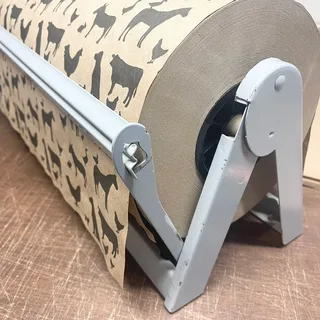
Using Butcher Paper allows meat to stay moist while still breathing during refrigeration or resting periods. Paper helps absorb excess juices while preventing surface drying on cuts. Wrapping meat in paper before cooking ensures consistent cooking results across all portions. Chefs can monitor meat appearance through semi-permeable paper without opening or disturbing packages. This simple tool is practical in maintaining tenderness and texture during preparation and storage. Proper paper usage supports quality control and improves overall customer experience.
How Do Chefs Prepare Meat for Cooking Properly?
Chefs carefully trim the meat to remove unwanted pieces while maintaining the integrity of larger portions. Proper meat carving techniques don’t allow the loss of meat’s natural juices while cooking. Apply the seasoning and the marinade uniformly so the flavour goes into the meat and not out. Meat should be allowed to rest before cooking so that the fibres can fully absorb the natural juices. Pre-cooking processing under controlled conditions promotes even cooking and reduces moisture loss. Standardised preparation enables consistent results from every dish delivered at the restaurant.
How Can Temperature Control Protect Meat Juiciness?
The time and temperature control during cooking will prevent overcooking and drying out of natural juices in meat. If using an oven or grill, heat must be consistent to prevent drying out the edges while the inside still remains raw. Thermometers enable chefs to read the internal temperature on the spot. Slow cooking methods keep meat tender from the first bite to the last. High heat, short duration will result in moisture loss and toughness. The temperature in which meat is held is also an important factor in retaining meat quality for the consumer.
How Does Kraft Paper Support Meat Preservation?
Using kraft paper for wrapping meat helps reduce exposure to air during storage and handling. The paper absorbs a little surface moisture out and prevents the main cuts from drying out. This way of wrapping is economical and practical for everyday use in a busy kitchen. When applied correctly, the paper facilitates even temperature and moisture regulation during resting or temporary holding.Chefs can rely on paper to maintain tenderness before cooking. Controlled wrapping improves consistency in juiciness across multiple servings for customers.
How Can WaxPapersHub Provide Practical Solutions?
WaxPapersHub offers high-quality supplies that help restaurants maintain moisture and texture of meat. Products are suitable for storage, wrapping and short-term handling needs in kitchens. Consistent use of these tools supports professional standards for juiciness and tenderness. Staff can quickly wrap and store cuts efficiently without losing natural juices. Reliable products make kitchens more effective in maintaining food quality. Supply from trusted providers ensures restaurants follow proper techniques every day.
How Do Chefs Rest Meat After Cooking?
Resting cooked meat before serving allows juices to redistribute inside fibers evenly. Cutting meat immediately can cause liquids to escape and reduce overall tenderness. Rest times vary depending on size, type and thickness of cuts. Properly rested meat maintains better flavor and texture for diners. Plates served with rested meat appear more appealing and satisfy expectations. Controlled resting is a crucial step in preserving juiciness and ensuring every serving meets quality standards.
How Does Canada Influence Meat Handling Practices?
Standards in Canada require restaurants to follow hygiene and temperature protocols strictly for meat safety. Regulations ensure that meat stays fresh and retains moisture before cooking. Compliance with rules helps maintain tenderness and taste in every dish served. Chefs follow guidelines on storage wrapping and cooking methods to meet standards. Observing national regulations ensures diners receive meat that is safe, juicy and flavorful consistently. Proper adherence improves customer trust and satisfaction.
How Can Consistent Techniques Maintain Meat Quality?
Consistent handling wrapping and cooking techniques across all shifts help restaurants maintain quality daily. Staff following precise steps prevent loss of natural juices and preserve texture. Uniform practices reduce mistakes during preparation or storage. Repeated processes create predictable results and maintain customer satisfaction. Reliability in every dish strengthens trust and loyalty. Applying careful handling throughout preparation, resting and cooking ensures meat remains juicy and tender for every diner.
Restaurants preserve meat juiciness through controlled storage wrapping and temperature management. Supplies from WaxPapersHub support professional kitchens in maintaining tenderness consistently. Proper resting and handling procedures following standards in Canada ensure meat stays flavorful and safe. Consistent techniques improve overall quality of dishes and customer satisfaction. Careful preparation and monitoring make a noticeable difference in tenderness and juiciness served every day.