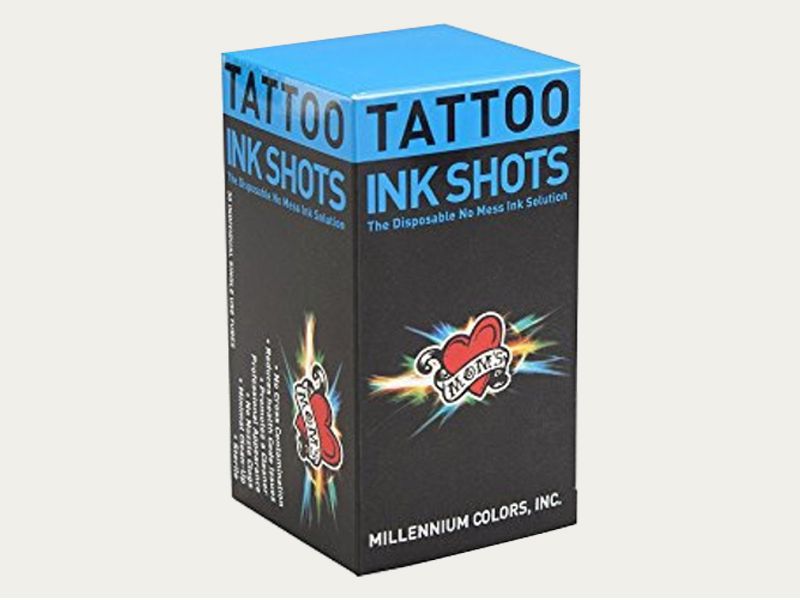
The tattoo industry has witnessed tremendous growth in recent years, with increasing demand for professional-quality products and safe, reliable packaging. Among these, packaging for professional tattoo artists has become a critical aspect, ensuring that tattoo inks remain safe, uncontaminated, and visually appealing while reflecting brand quality. Modern tattoo ink packaging balances protection, sustainability, and aesthetic appeal, offering tattoo artists and consumers a seamless experience from purchase to use.
Understanding Packaging Needs in the Tattoo Industry
Tattoo ink is a delicate product that requires specialized storage and handling. Proper packaging not only safeguards the ink from physical damage but also maintains its integrity and longevity. Packaging for professional tattoo artists includes materials and designs that prevent leakage, contamination, and degradation due to environmental factors such as light, temperature, and humidity.
Key considerations include:
- Maintaining the chemical stability of tattoo inks
- Preventing contamination and spills during storage or transport
- Ensuring compliance with safety and cosmetic standards
By addressing these factors, tattoo ink packaging supports both professional use and retail appeal.
Materials Commonly Used in Tattoo Ink Packaging
Selecting the right materials is essential for protective and sustainable packaging. Popular options include:
1. Plastic Bottles and Caps
- Durable, lightweight, and leak-resistant
- Ideal for repeated use and easy dispensing
- Compatible with tamper-evident seals for safety
2. Glass Bottles
- Provides chemical stability and prevents interaction with ink
- Eco-friendly when recyclable materials are used
- Enhances premium presentation for tattoo ink bottles packaging
3. Cardboard and Paperboard Boxes
- Protects ink bottles during shipping and retail display
- Can include custom inserts to secure individual bottles
- Supports cosmetic-grade ink packaging standards
Protective Features in Tattoo Ink Packaging
Tattoo ink packaging must combine functionality with protection. Key protective features include:
- Shock-Absorbing Inserts: Foam or molded cardboard to prevent breakage
- Leak-Proof Caps: Ensures ink does not spill during shipping or storage
- Tamper-Evident Seals: Enhances safety and instills trust in the end user
Such features are crucial for both retail and professional settings, ensuring tattoo inks are safe and ready for use.
Sustainability in Tattoo Ink Packaging
Eco-conscious practices are becoming increasingly important in all industries, including tattoo supplies. Sustainable packaging options for tattoo inks include:
- Recyclable Ink Bottle Storage Boxes: Reduce waste while maintaining protection
- Biodegradable or Plant-Based Materials: Supports environmentally responsible branding
- Minimalistic Packaging Design: Reduces excess material without compromising safety
Brands adopting sustainable practices not only help the environment but also attract eco-conscious tattoo artists and customers. more
Printing and Branding in Tattoo Ink Packaging
Beyond protection, packaging is a tool for brand communication. Custom printing and finishing techniques help tattoo ink brands stand out:
- Custom Labels: High-quality printing for brand name, logo, and product details
- Embossing or Foil Stamping: Adds a premium feel and enhances visual appeal
- Color-Coding: Differentiates ink types or shades for easy identification
Integrating these features with durable packaging materials ensures that the product is both functional and visually compelling.
Customization Options for Tattoo Artists
Professional tattoo artists often require specific packaging solutions tailored to their workflow. Popular customization options include:
- Ink Bottle Storage Boxes: Compartments for organizing multiple inks efficiently
- Portable Kits: Travel-friendly boxes for mobile artists
- Branded Packaging for Studios: Reinforces studio identity and professionalism
These options improve usability, protect the product, and strengthen brand loyalty among artists and clients.
Retail and Display Considerations
For retail, tattoo ink packaging needs to be both protective and appealing to customers. Effective packaging solutions include:
- Display-Friendly Boxes: Open designs or clear windows to showcase products
- Informative Labeling: Details about ink type, ingredients, and usage instructions
- Stackable and Shelf-Stable Designs: Optimizes space in stores and studios
By combining aesthetics with functionality, brands can ensure that tattoo inks attract attention while remaining safe.
Trends in the Industry
Current trends in tattoo ink packaging focus on combining sustainability, protection, and convenience:
- Shift towards eco-friendly ink bottle storage boxes
- Use of cosmetic-grade ink packaging materials to meet safety standards
- Integration of custom branding and visual differentiation for studio recognition
- Adoption of modular and stackable designs for storage and shipping efficiency
These trends reflect the growing demand for safe, sustainable, and user-friendly tattoo ink solutions.
Conclusion
As tattoo artistry continues to grow, the demand for high-quality and protective packaging becomes more significant. Packaging for professional tattoo artists not only ensures the safety and longevity of tattoo inks but also enhances brand perception and customer experience. By incorporating durable bottles, tamper-evident features, and ink bottle storage boxes, brands can deliver professional, safe, and sustainable solutions.
From cosmetic-grade ink packaging to innovative packaging for tattoo supplies, thoughtful design and customization play a key role in maintaining product integrity and appealing to both professional artists and end consumers. Investing in well-crafted custom box packaging ensures that tattoo inks reach customers safely, look premium, and support sustainable practices—strengthening brand trust and loyalty in a competitive market.