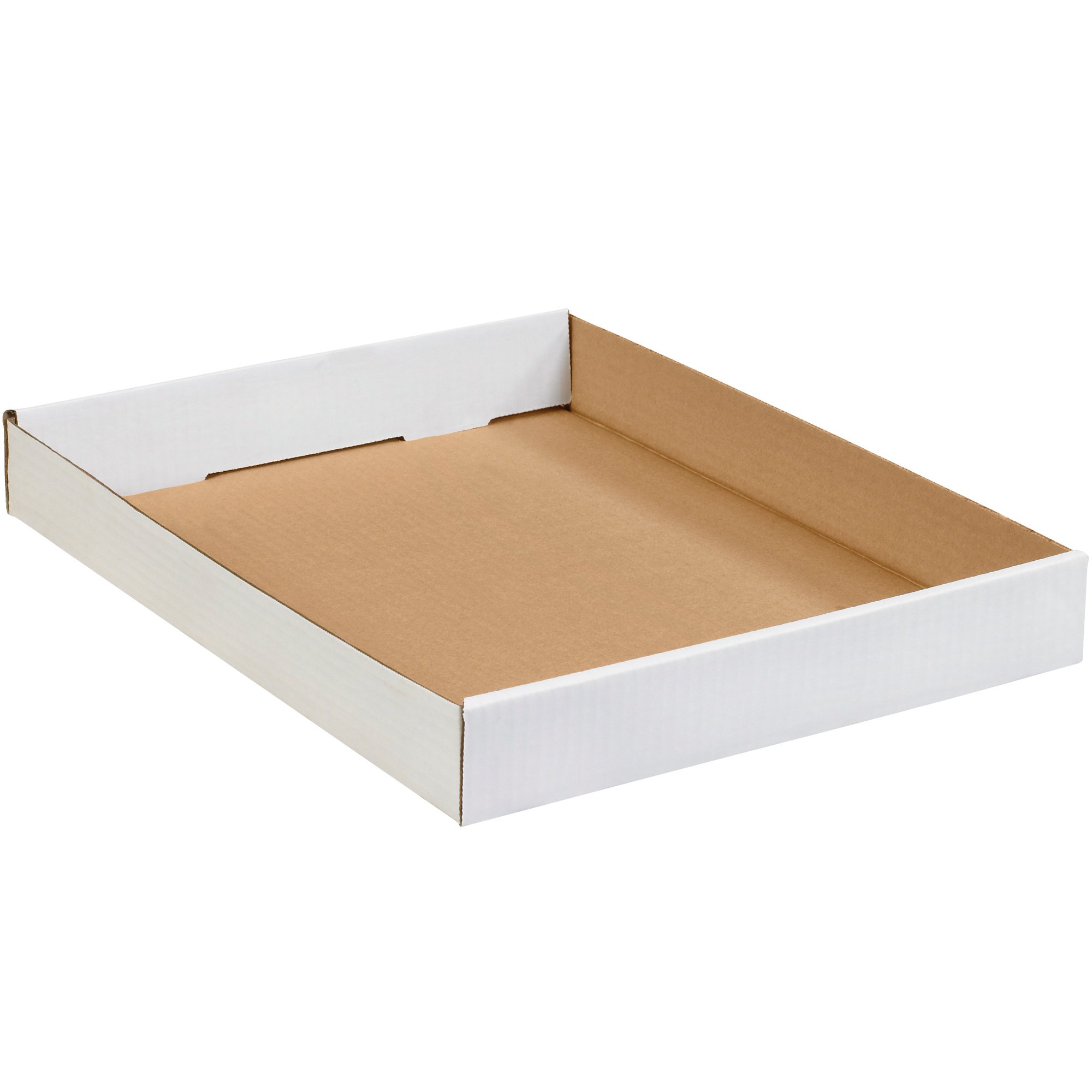
Packaging solutions have evolved rapidly to meet the growing demands of logistics, retail, and e-commerce industries. Among these solutions, tray boxes stand out due to their simplicity, durability, and versatility. Modern tray boxes are no longer limited to basic storage or transport purposes; they now offer extensive customization options that enhance functionality, sustainability, and brand presentation.
With rising demand for packaging trays for logistics, businesses are increasingly turning toward tray boxes that can be tailored to specific operational and product needs. This article explores the customization possibilities available in modern tray boxes and how they contribute to efficiency, protection, and eco-conscious packaging strategies.
Understanding Modern Tray Boxes
Tray boxes are open-top or partially enclosed packaging solutions designed for easy access, stacking, and transport. They are widely used across industries such as food distribution, retail, manufacturing, and warehousing.
When used as packaging trays for logistics, tray boxes simplify handling, reduce packing time, and allow products to be organized efficiently throughout the supply chain. Their adaptable structure makes them suitable for both lightweight and heavy-duty applications.
Importance of Customization in Tray Boxes
Customization plays a crucial role in ensuring tray boxes meet industry-specific requirements. Rather than using one-size-fits-all packaging, businesses can modify tray boxes to enhance performance and reduce operational costs.
Key benefits of customization include:
- Improved product safety during handling
- Efficient stacking and storage
- Reduced material waste
- Enhanced sustainability
- Better compatibility with automated logistics systems
Material Customization Options
One of the most significant customization areas in tray boxes is material selection. Modern tray boxes are available in various materials to suit different industries and usage scenarios.
Common Material Choices
- Corrugated cardboard for strength and durability
- Paperboard trays for lightweight applications
- Recycled kraft materials for sustainability-focused brands
Many businesses prefer eco-friendly tray packaging materials that align with environmental goals while maintaining structural integrity.
Structural and Design Variations
Tray boxes offer multiple structural customization options that allow brands to adapt packaging according to product dimensions and handling needs.
Structural Customization Includes:
- Single-wall or double-wall tray construction
- Reinforced corners for added strength
- Adjustable height and depth
- Foldable or collapsible tray designs
These options make tray boxes ideal as open-top packaging boxes, especially in fast-paced logistics and retail environments.
Custom Sizes and Dimensions
Modern tray boxes can be manufactured in precise sizes to fit specific products. Custom sizing ensures:
- Minimal empty space inside packaging
- Reduced movement during transportation
- Lower shipping costs
- Improved stacking efficiency
This level of customization is essential for industries handling bulk goods or fragile items.
Printing and Branding Options
While tray boxes are often used for logistics, branding remains an important consideration—especially for retail-facing packaging.
Customization options include:
- Single-color or multi-color printing
- Brand logos and handling instructions
- Product identification labels
- Barcodes for inventory tracking
Even simple printed tray boxes can enhance brand recognition without compromising functionality.
Sustainability-Focused Customization
Sustainability is a growing priority across packaging industries. Tray boxes offer excellent opportunities for eco-conscious customization.
Sustainable Customization Features
- Use of recyclable or biodegradable materials
- Reduced ink usage with minimalist designs
- Lightweight construction to lower carbon footprint
- Reusable tray designs for closed-loop logistics
These features support sustainable tray packaging solutions while maintaining efficiency and durability.
Custom Inserts and Dividers
For added protection and organization, tray boxes can include internal components such as inserts or dividers.
Benefits of inserts include:
- Separation of multiple products
- Prevention of product collision
- Enhanced stability during transport
- Improved product presentation
This customization is especially useful for electronics, food items, and industrial components.
Applications Across Industries
Customized tray boxes are widely used across multiple sectors due to their adaptability.
Common Industry Applications
- Food and beverage distribution
- Retail and supermarket shelving
- Warehouse storage systems
- E-commerce fulfillment
- Manufacturing and assembly lines
Their compatibility with packaging trays for logistics makes them a preferred choice for businesses seeking efficient and scalable packaging solutions.
Cost-Effective Customization Strategies
Customization does not always mean high costs. Tray boxes allow brands to balance performance and budget through smart design choices.
Cost-efficient approaches include:
- Standard tray designs with custom dimensions
- Limited printing focused on functional labeling
- Material optimization to reduce waste
- Bulk manufacturing for consistent packaging needs
These strategies help businesses maintain quality while controlling expenses.
Enhancing Operational Efficiency
Custom tray boxes contribute significantly to operational efficiency by simplifying handling and storage processes.
Advantages include:
- Faster packing and unpacking
- Compatibility with automation systems
- Reduced labor requirements
- Improved inventory management
When combined with thoughtful customization, tray boxes become a reliable solution for modern supply chains.
Conclusion
Modern tray boxes offer a wide range of customization options that support efficiency, sustainability, and product safety. From material selection and structural design to printing and inserts, tray boxes can be tailored to meet the evolving demands of logistics, retail, and manufacturing industries.
By leveraging packaging trays for logistics, along with eco-friendly tray packaging, sustainable tray packaging solutions, and open-top packaging boxes, businesses can achieve functional, cost-effective, and environmentally responsible packaging. These flexible solutions align seamlessly with operational goals while adapting to changing market demands.
For brands seeking versatile packaging that balances performance and sustainability, custom packaging and products provide reliable solutions that support growth, efficiency, and long-term success.